
🌟 Vibration and Frequency: The Artisan’s Touch vs. Mass Industry.
- Janet Rodriguez

- Jul 7, 2025
- 3 min read
By:Janet Rodriguez

Since the day I opened my workshop, I realized that the true difference between artisanal and industrial products lies not only in the ingredients, but also in the vibration that every space, creator, and process carries.
🧪 Vibration: Beyond Matter
Vibration and frequency are measured in hertz (Hz)—cycles per second. In the human body and biological systems, rhythms between 20 and 50 Hz are known to promote cellular repair and regeneration (studies on mechanotransduction). This suggests that proper vibrations can deeply influence our health.
In contrast, industrial production lines are filled with high stress, constant noise, and worker fatigue—conditions that drain positive energy even before the product reaches the shelf.

👐 The Artisanal Process: Intention and Energy at Its Core
When I create a soap:
I purify my space: clearing the energy to begin from a place of calm.
I set a clear intention: every ingredient is chosen for its harmonious frequency—rich butters, vibrant oils.
I work mindfully: soft music, deep breaths, and a slow rhythm infuse a high and harmonious vibration into each bar.
This care not only results in beautiful products but also raises the frequency of those who use them, creating resonance with their skin and energy.

💧 The Role of Water: Memory and Structure
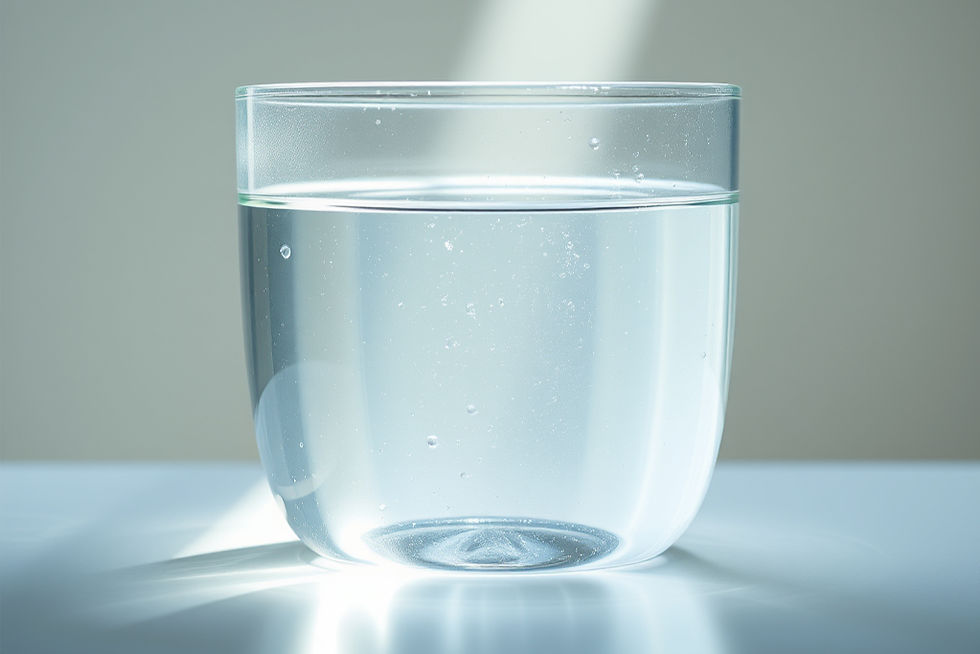
Water is an essential part of soapmaking and comprises about 60–70% of the human body. Research shows that water’s molecular structure is sensitive:
As Masaru Emoto demonstrated, water forms more beautiful crystals when exposed to positive words, thoughts, or environments.
Water retains a “memory” of what it has encountered, and this vibrational memory can influence health.
In my workshop, water isn’t just a physical ingredient—it’s an energetic channel carrying intention and care.
🔮 Quartz Crystals: Amplifying Energy

I also place quartz crystals around my workspace:
Their hexagonal atomic structure allows them to be piezoelectric—able to generate electrical energy under pressure or heat.
Quartz acts as an amplifier of intention, boosting focus and emotional clarity.
This energetic support helps transfer crystalline harmony to any product.
⚡ Mass Industry: Detached from Intention

In contrast, mass industries:
Prioritize longevity on shelves and production efficiency, not user well-being.
Create environments where workers are often tired, stressed, and disconnected, leaving a low vibrational imprint.
Use chemicals (parabens, synthetic fragrances, preservatives) that alter the natural composition and can lower vibrational purity.
The result? Products that may clean the skin but lack the energetic nourishment and intention of handcrafted creations.
📊 Vibration Comparison Table
Element | Mass Production | Artisanal Creation |
Work environment | Stress, noise, constant pressure | Calm, intention, harmony |
Creator’s health | Burnout, emotional disconnection | Presence, personal care, focus |
Water & ingredients | Processed, low energetic awareness | Vibrational water, intention-charged materials |
Product resonance | Low vibration, impersonal | High frequency, caring, positive |
User impact | Physical cleansing only | Energetic connection and holistic care |
🌿 Choosing Vibrational Care

Choosing handcrafted products created in a space of intention, care, and high vibration is not just a lifestyle choice; it’s an act of holistic health. At Verita Vibra, each soap bar:
Resonates with tranquility.
Nourishes with high-frequency ingredients.
Is infused with water and quartz energy, amplifying harmony.
When you use these soaps, you’re not just cleansing your body—you’re receiving a wave of vibration and care that mass production simply cannot replicate.
If you are interested in this matters here you are some links to find information.
📚 References
Masaru Emoto and water memory (Wikipedia)
Mechanotransduction studies – cellular response to vibration (~20–50 Hz)
Piezoelectric properties of quartz (Wikipedia)
Occupational stress in industrial environments (NIH & ResearchGate studies)
Structured water and fourth-phase studies (Pollack Lab, University of Washington)


Great articles I agree with you 100%.
Great products too